
PV Engineering & Equipment
From rooftop systems to utility-scale solar farms, we deliver PV modules, mounting structures and complete engineering packages — from feasibility and design to equipment supply and installation guidance.
Project references
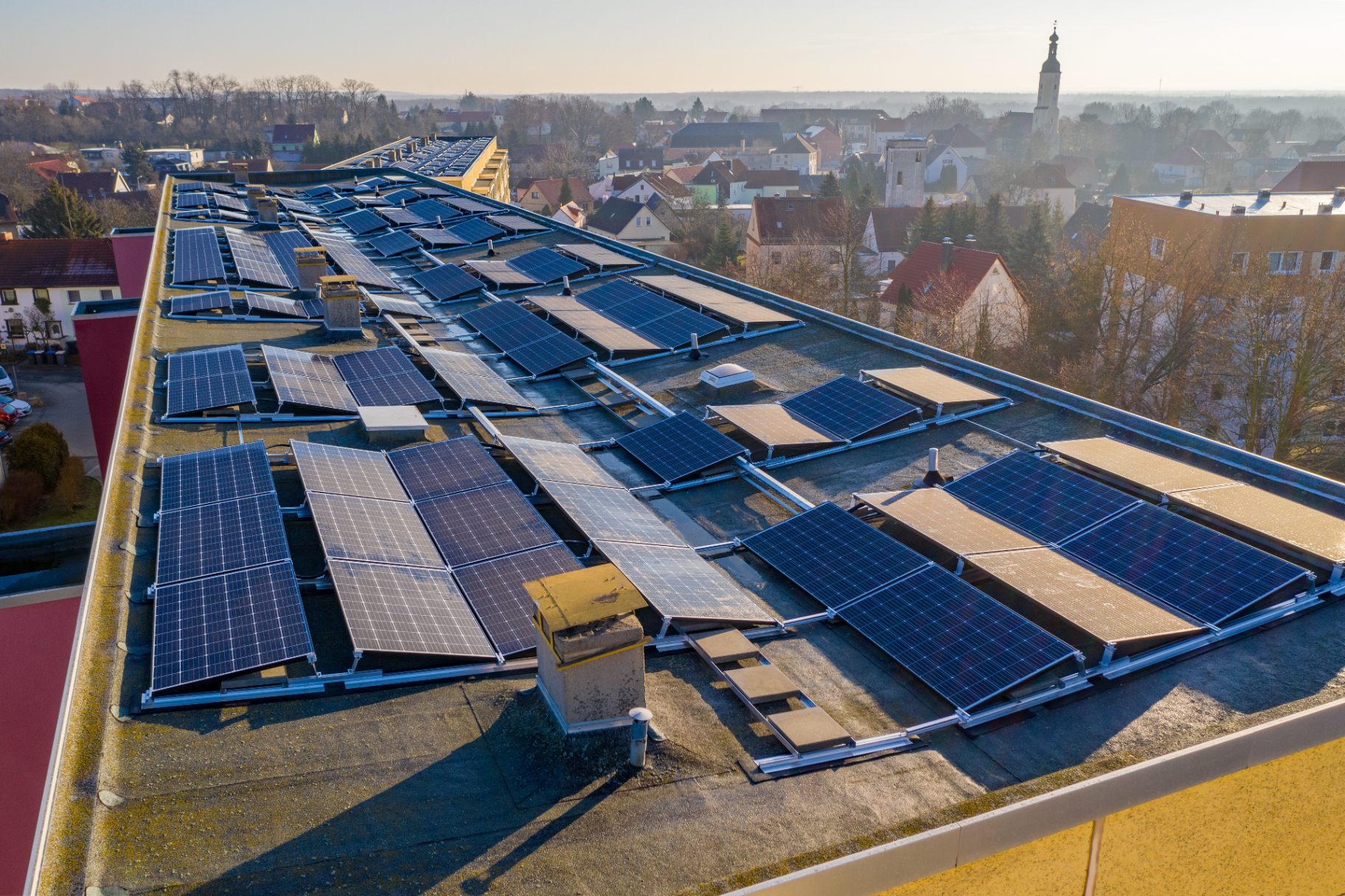
Commercial rooftop PV system, approx. 150 kW, with east-west oriented modules
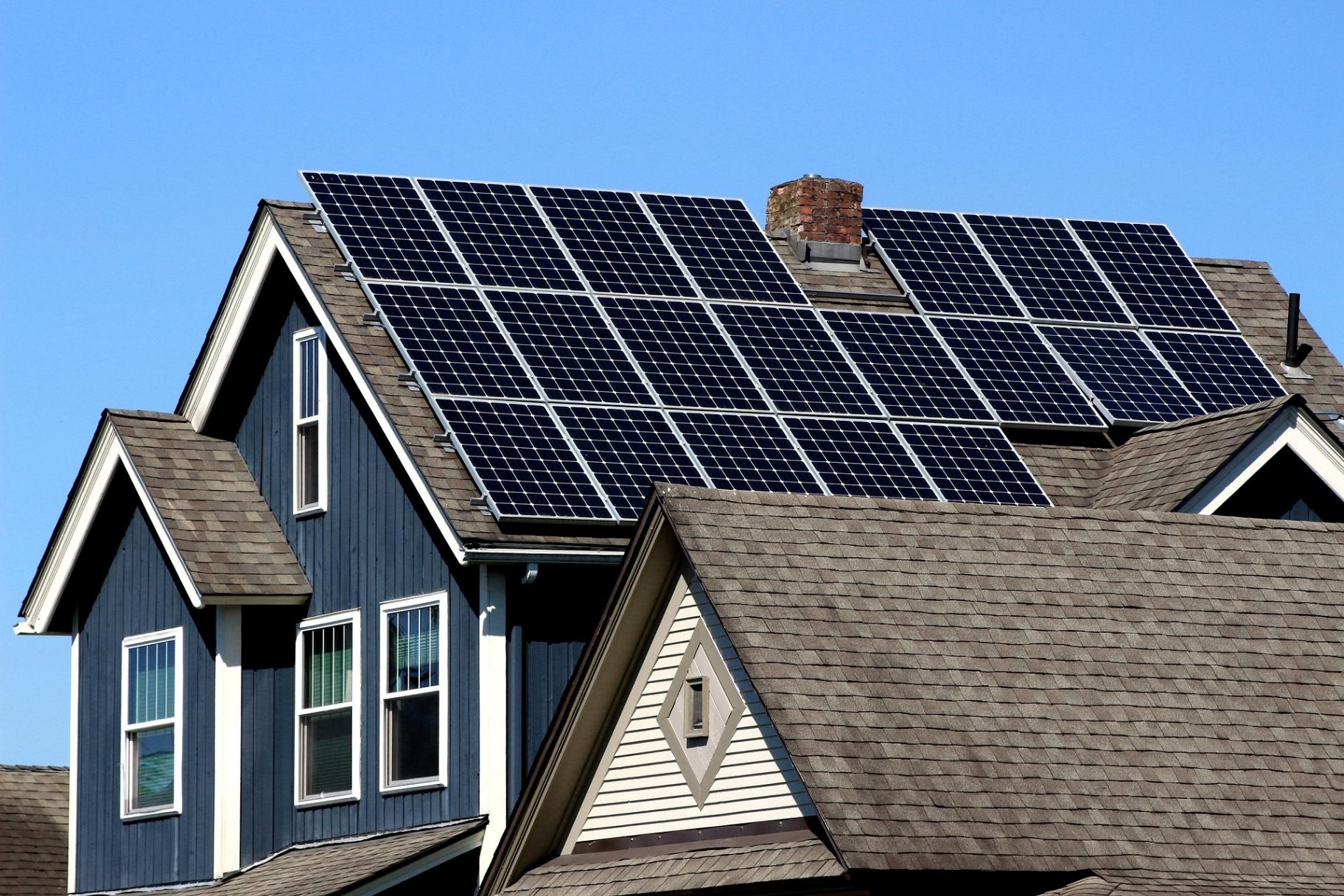
Residential rooftop PV system, approx. 20 kW, grid-connected
Images are indicative industry scenes for illustration only and do not represent AXion Power's own projects.
Technical insights
How PV power works
Solar cells convert sunlight directly into electricity via the photovoltaic effect. When photons hit the semiconductor PN junction, electron–hole pairs are generated and separated, producing DC current. A grid-tied inverter then converts DC into AC synchronized with the grid. Key factors affecting output include irradiance, temperature, tilt and shading.
PV module types
By cell technology: monocrystalline (high efficiency, mainstream), polycrystalline (lower cost, declining share), and thin-film (CdTe, CIGS — good low-light performance). By structure: mono-facial and bifacial, glass-glass and glass-backsheet. Common power classes today range from 450 W to 700 W per module.
Balance of system
A complete PV system includes modules, mounting structures (fixed or tracking), combiner boxes, inverters (string or central), AC distribution cabinets, cables and monitoring. Adding battery storage smooths output and enables peak shaving. Module quality is typically certified to IEC 61215 / 61730.
Common applications
On-grid plants (full export or self-consumption with surplus export), off-grid stand-alone systems, commercial & industrial rooftops, and residential rooftops. Design must comply with local grid codes and interconnection standards.
Need a proposal for this business?
Tell us the project scale, target market and technical requirements — we will configure a tailored solution.